Bananarama
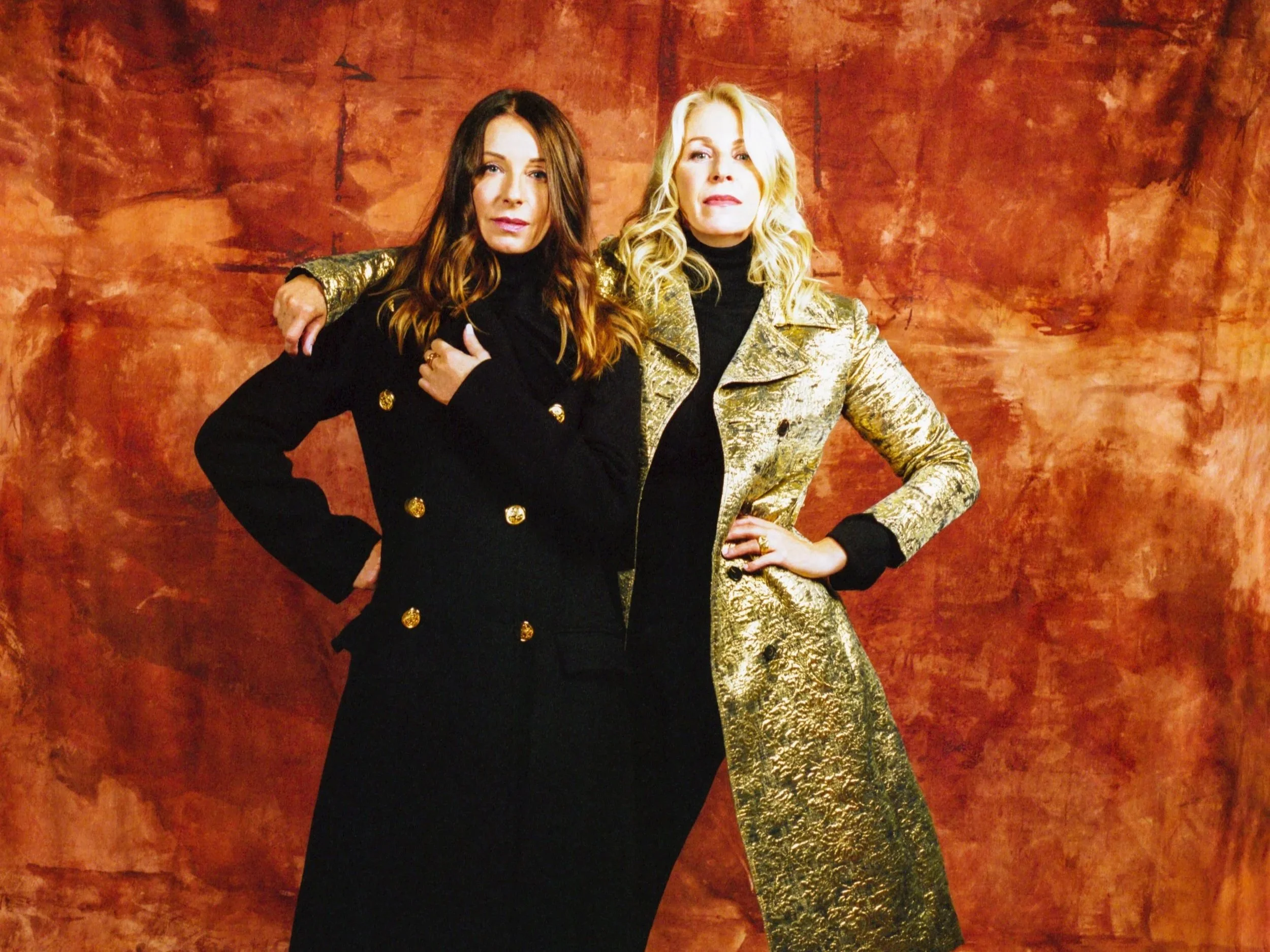
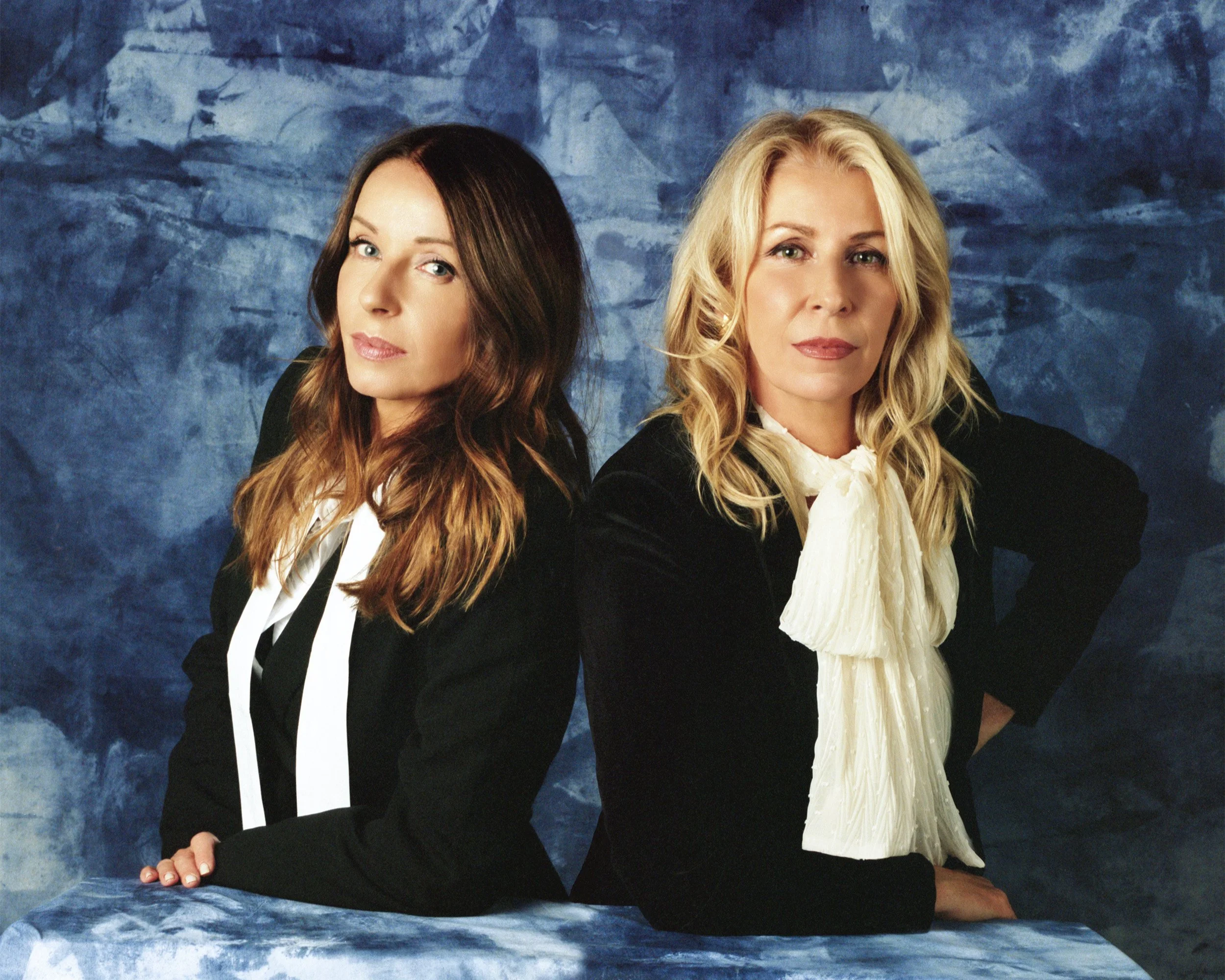
In 2020, I was commissioned to produce a series of large-scale screen prints for the 40th anniversary of Bananarama. The work was developed entirely by hand during lockdown and focused on textural textile-based print surfaces intended for photographic set design.
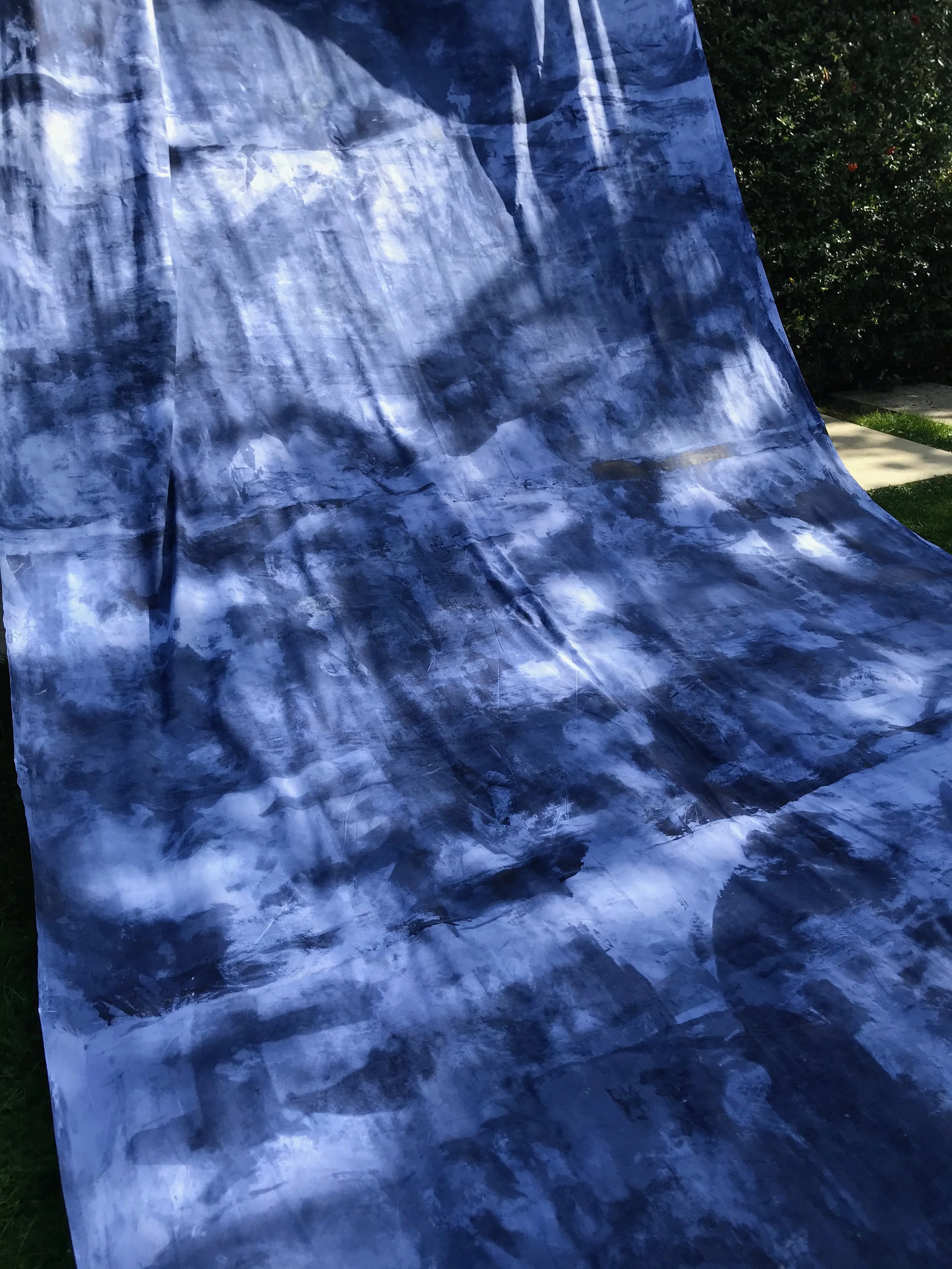
The project was built around pushing standard screen-printing methods into more experimental, but still controlled, applications. Rather than treating the screen as a fixed stencil, I worked with variations in paste, resist, and surface application—using rubs, hand-applied textures and diluted pigments to shift how ink sat within the mesh. This allowed each section of the print to carry subtle variation while still holding overall compositional structure.
Two ten-metre prints were produced to function as backdrops for a studio shoot. At this scale, the practical focus was on consistency, alignment, and material stability. Binder ratios and pigment density were carefully adjusted to ensure the prints could be handled, hung, and lit without degradation or loss of clarity. Drying time, folding, and transport also became part of the process.
Lighting played an important role in how the final works were read. The thickness of the ink, areas of build-up, and fabric movement all affected how the surface shifted under studio conditions, especially in photography.
This project reinforced my interest in process-led textile art exploring uncertainty, but in a grounded, production-based way—where experimentation operates within clear technical constraints. It also connects to my broader approach in printmaking exploring perception and reversal, where surface behaviour, rather than fixed image, determines how a work is experienced.
Overall, the commission demonstrated how hand-based print processes can be scaled up without losing material sensitivity, while still meeting the practical demands of commercial production and set design.