Handu TED 10 Sustainable Textile Design
This project was developed in collaboration with TED in response to a brief centred on their 10 sustainable design principles. The framework outlined key priorities including waste reduction, circular design systems, material longevity, ethical production, and more considered resource use. My role was to translate these principles into both a material exploration and a practical design response within a textile context.
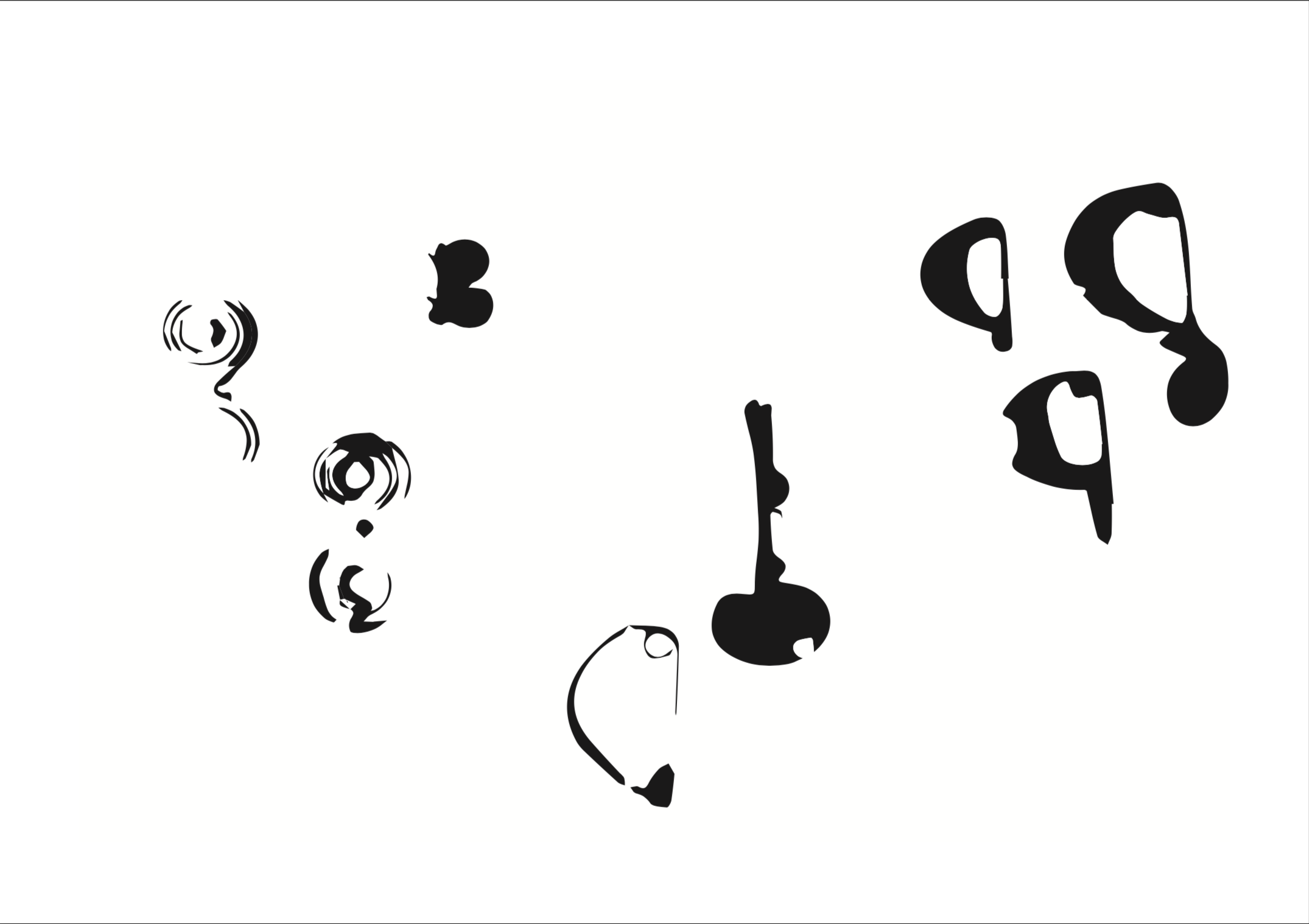
The initial phase of the project involved working through a series of textile-based experiments that tested how sustainability could be embedded directly into process rather than applied as a concept after production. Through layered sampling, surface reworking, and iterative print studies, I explored how materials behave when they are reused, reconfigured, and allowed to carry traces of previous states. Natural pigments and fibres were used to foreground variability, where absorption, resistance, and surface change became integral to the visual and material outcome.
My response expanded beyond the textile samples into the design of HanDu, a conceptual app-based system that supports repair, reworking, and transformation of existing objects through craft intervention. The platform proposes a model where objects are not discarded but reintroduced into cycles of care, mediated through skilled practitioners. In this system, material is continuously re-seen and re-valued, extending its lifecycle through attention rather than replacement.
Within my wider practice, this project reinforces a hands on philosophy rooted in process-led textiles. Connecting directly to my interest in printmaking exploring perception and reversal, where meaning is shaped through repetition, layering, and ongoing material interaction rather than fixed resolution.
Ultimately, the collaboration with TED positioned sustainability as something structural rather than applied—an embedded logic of making. It strengthened my focus on systems where attention, repair, and material intelligence are not outcomes, but the foundation of practice itself.