Nike Sustainable Design
This project was developed in response to a brief from Nike, focusing on sustainability through material experimentation and perceptual enquiry within footwear design. Rather than approaching sustainability as a purely technical requirement, the work explored it as a shift in how materials are perceived, handled, and re-engaged over time.
The starting point was discarded sporting materials—used footballs, basketball rubber, and worn sports textiles. These were not treated as waste, but as materials still carrying structural and sensory information from their previous lives. Rubber sections were reconfigured into sole components, while fragments of sportswear informed upper structures. The intention was to work with what already existed, rather than introduce new material systems.
In the studio process, there was a strong emphasis on testing and iteration. Materials behaved unpredictably once cut, layered, and recombined—stretching differently, compressing unevenly, or retaining memory from their previous form. These qualities were not corrected, but integrated into the development of each prototype.
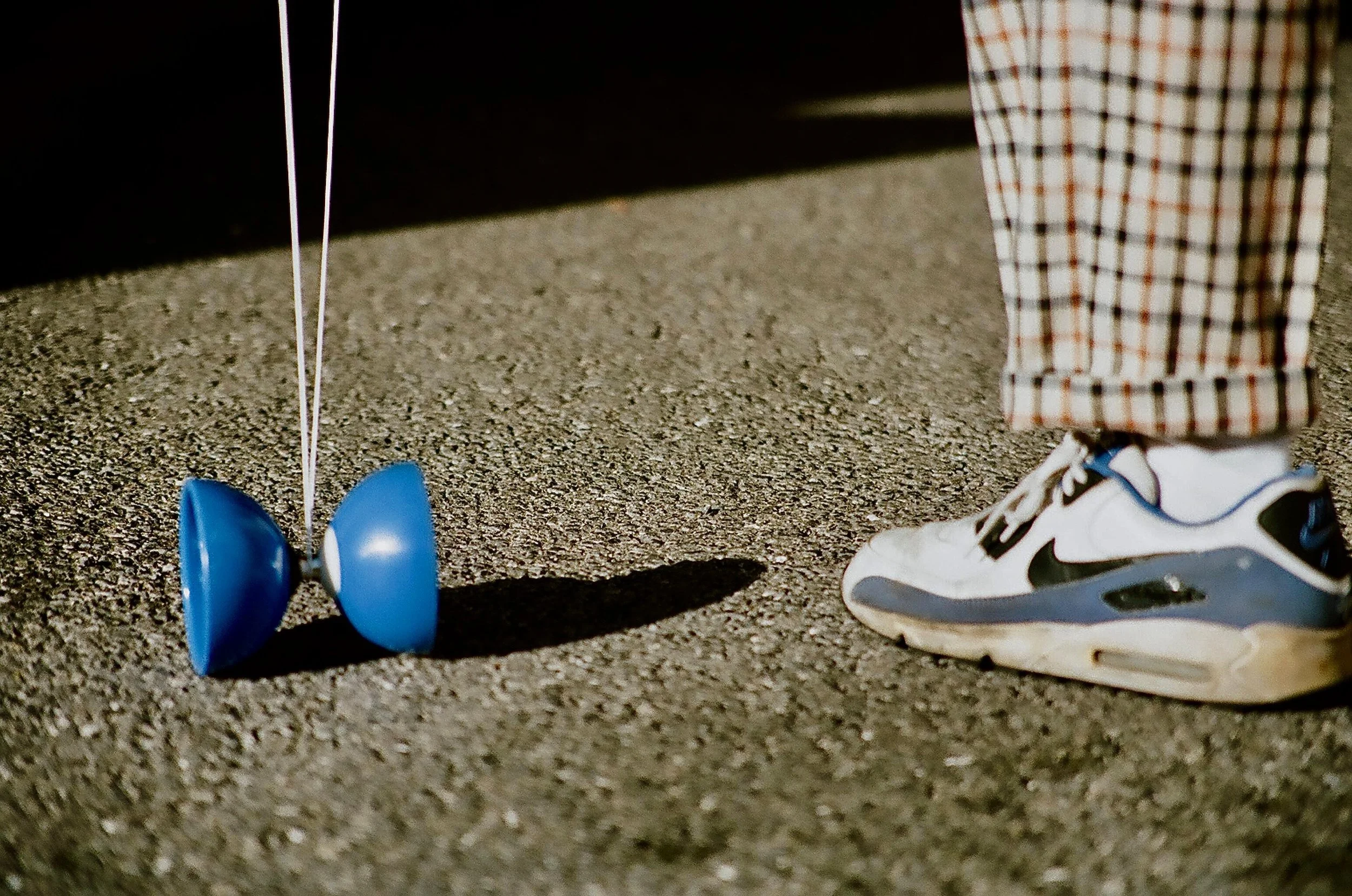
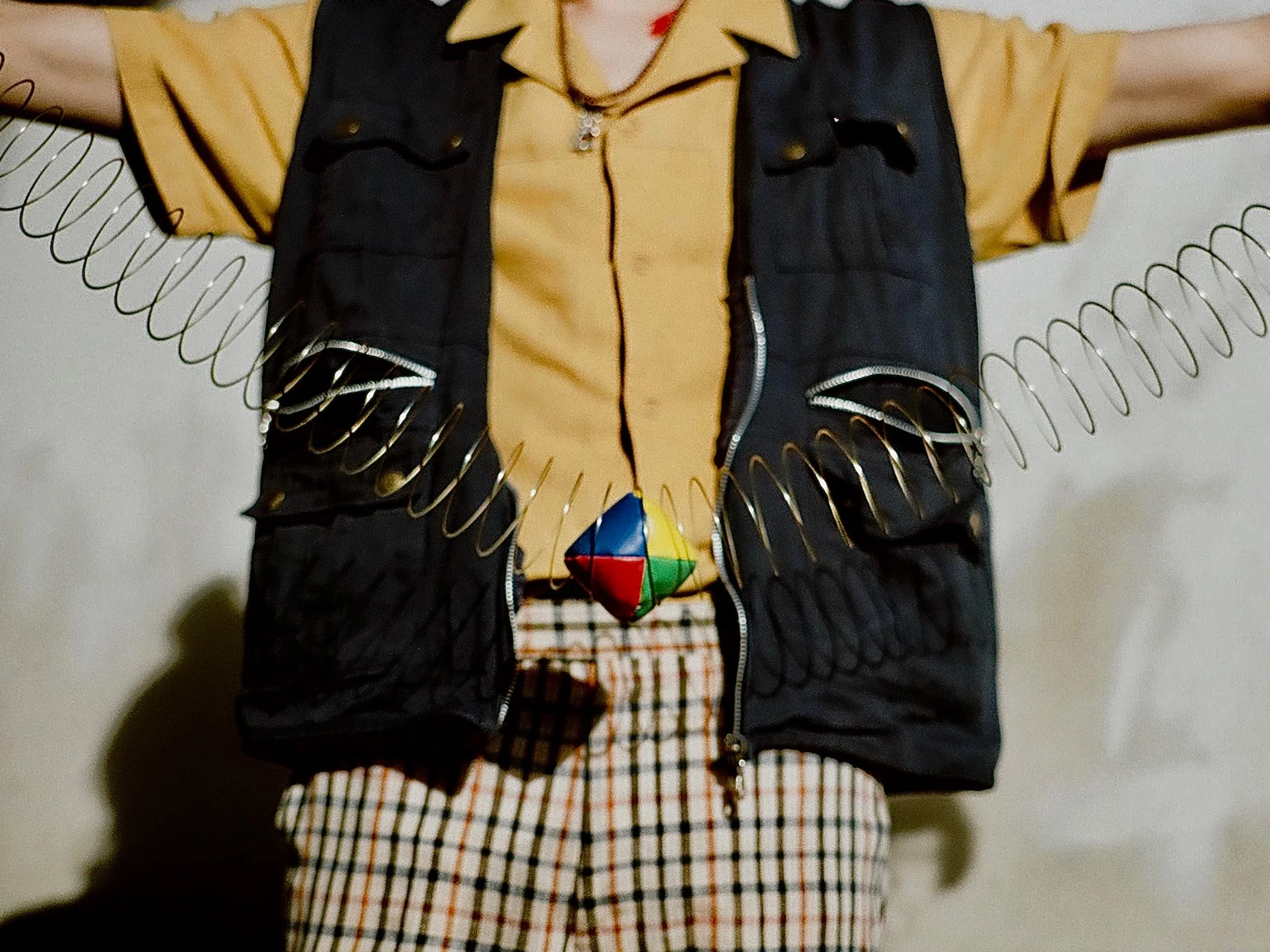
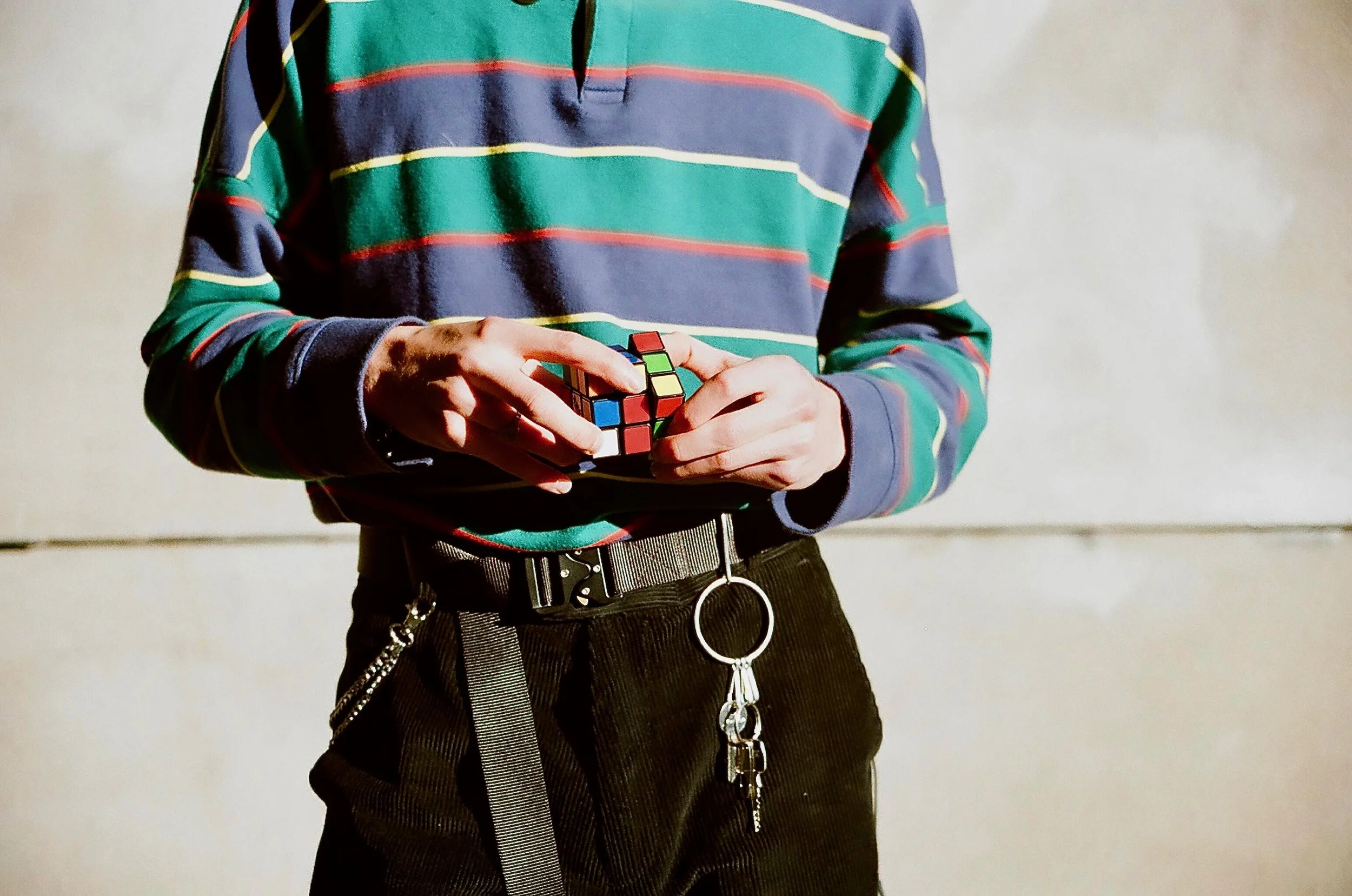
Play became a central working method. Recalling familiar sports objects and childhood associations introduced a more intuitive relationship to making, where testing, failure, and reconfiguration were part of the process rather than deviations from it. This approach allowed sustainability to emerge through curiosity and reuse, rather than limitation.
The project resulted in a series of footwear prototypes, alongside a visual publication and short film, later presented at Nike Headquarters in Oregon.
Within my broader practice, this project reinforces a philosophy grounded in responsiveness—where materials are not reset to zero, but carried forward through transformation. It aligns with my interest in process-led textile art exploring uncertainty, where meaning develops through iteration, perception, and the evolving life of material itself.