Amazonian Way
2023
The Amazon profoundly altered the way I understand material. Within the jungle, nothing exists in isolation; plants, fibres, minerals, water, atmosphere, and human gesture operate within a continuous living exchange. Material is not approached as a passive resource, but as something responsive—carrying its own rhythm, intelligence, and capacity for transformation.
What struck me most was the attentiveness embedded within the way materials are gathered and worked with. There is a deep awareness of season, timing, and condition. Certain fibres are harvested only at particular moments; specific leaves, roots, bark, seeds, and palms are selected according to their strength, flexibility, medicinal qualities, or structural behaviour. Everything is approached through observation first.
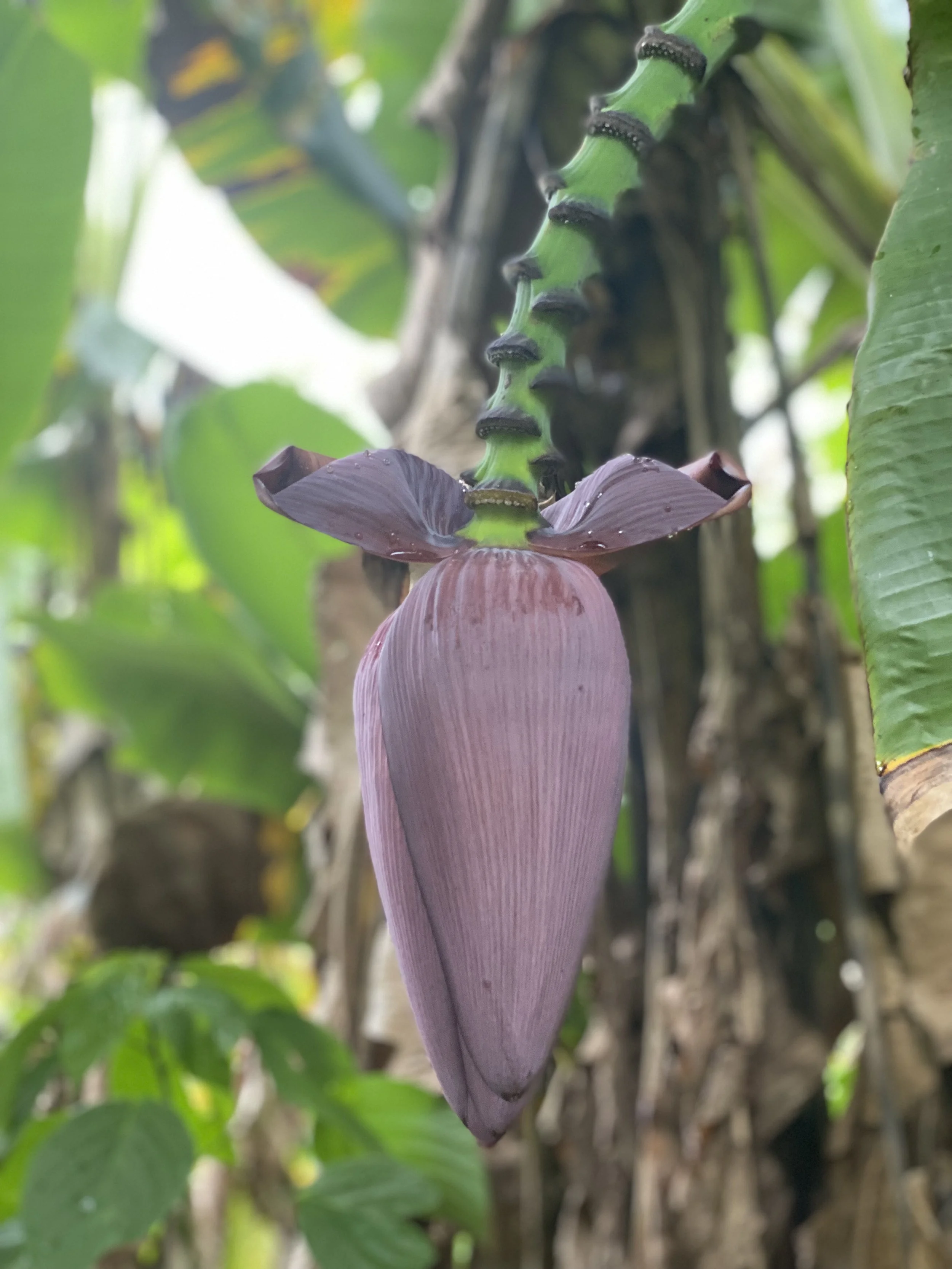
The Amazon offers an extraordinary material language. Palm fibres are woven into structures and vessels; seeds and pods become tools, dyes, and adornment; medicinal plants carry both practical and spiritual significance. Bamboo, vines, tree bark, natural resins, and mineral-rich earths are all understood through their individual characteristics and potential. Nothing is treated as inert. Each material holds a distinct relationship to environment, use, and lineage.
Working alongside communities in the Bolivian Amazon, I became aware that this knowledge is inseparable from the land itself. Techniques are passed carefully through generations, not as fixed traditions, but as living practices that continue to adapt through direct contact with the environment.
What stayed with me most was the philosophy underlying this relationship: that material should not be forced into submission, but engaged with attentively. The role of the maker becomes one of listening and response—understanding how the material naturally wishes to move, hold, soften, bend, or endure.
In the Amazon, material is never separate from life. It exists within a wider ecology of care, reciprocity, and continual exchange.