
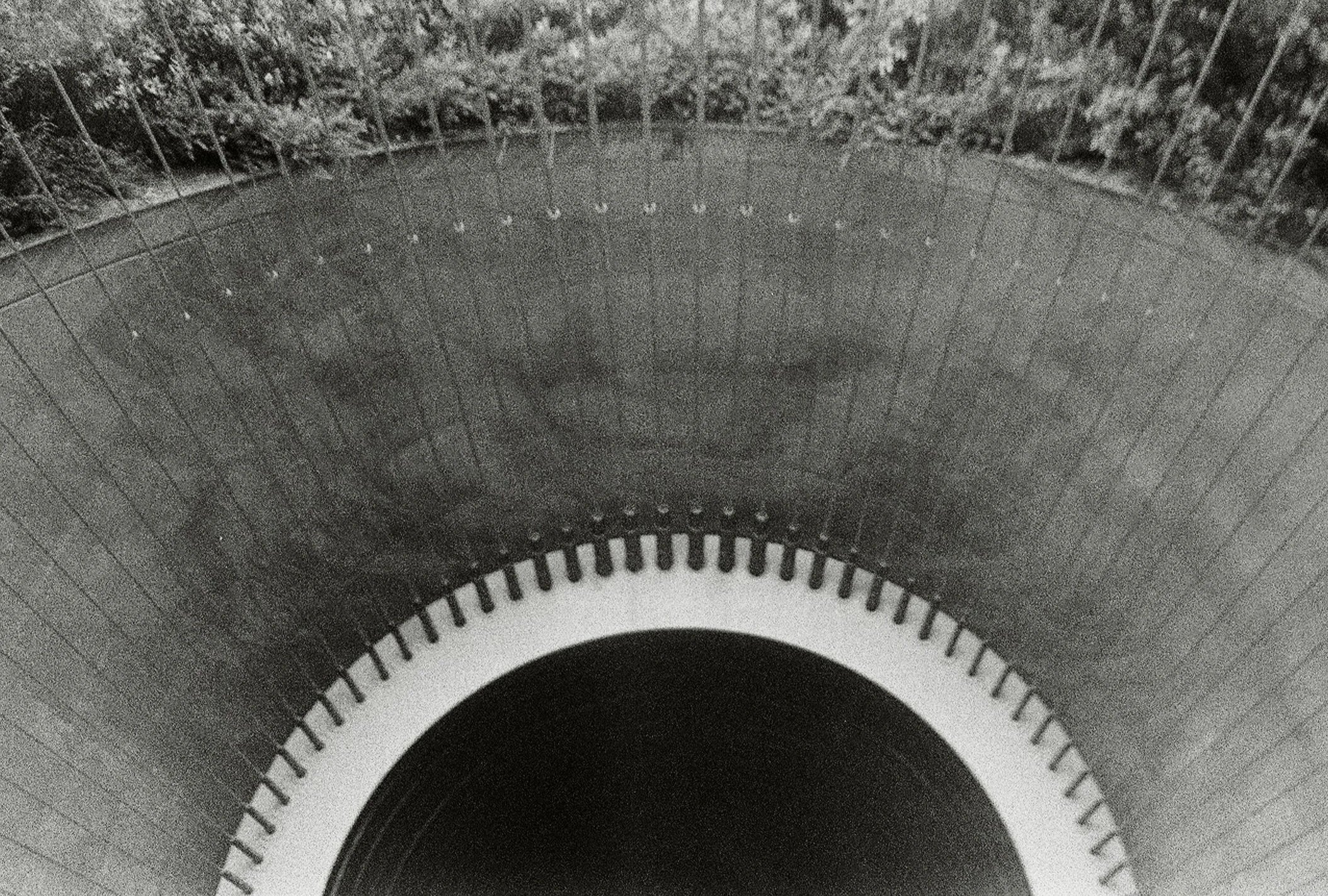
Architectural Shadows and Shades
They sit at the edge of recognition, where things are only partially given, and the rest is left to perception.
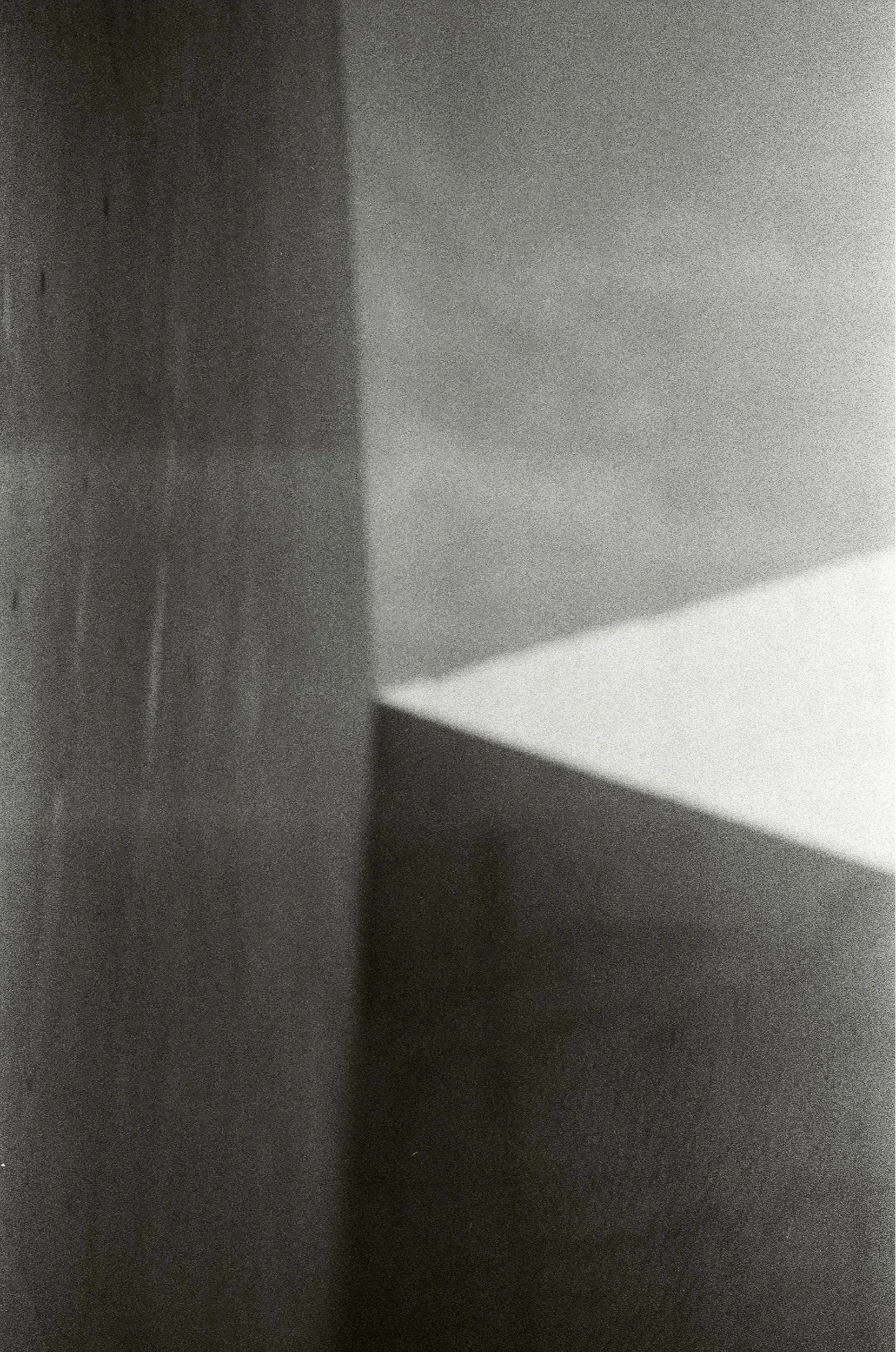
Architectural Shadows And Shades started, for me, with a growing awareness that I was often more drawn to what wasn’t fully visible than what was clearly lit. Light is immediate—it reveals, defines, and gives certainty to form. But shadows and shades feel like something else entirely. They sit at the edge of recognition, where things are only partially given, and the rest is left to perception.
I’ve noticed how architecture changes the moment light shifts. What was once solid becomes uncertain. Shadows don’t just sit beside structure—they seem to extend it, blur it, interrupt it. Shades deepen that interruption, creating gradients of darkness that only exist because of contrast. Without light, they don’t exist at all, and yet they feel like their own presence.
There’s something I return to often in this: the way shadows hold both beauty and discomfort at the same time. They invite curiosity, but also a subtle unease. I think it’s because they don’t resolve. They don’t explain themselves. Instead, they suggest something beyond what is visible, something internal rather than external.
Where light feels like clarity, shadows feel like depth, density. A kind of compression of space where perception slows down. I find myself spending more time in these areas of partial visibility, noticing how they change the reading of a building entirely.
It makes me think about how we understand form at all. Not everything is meant to be fully seen. Some of what we encounter exists only through contrast, and perhaps that is where a different kind of understanding begins—one that is less about knowing, and more about sensing.
2022