Upcoming Show’s
Solo Show Clarity Suspended
London 23 - 30th September
The Other Art Fair
Solo Booth
8 - 11 October
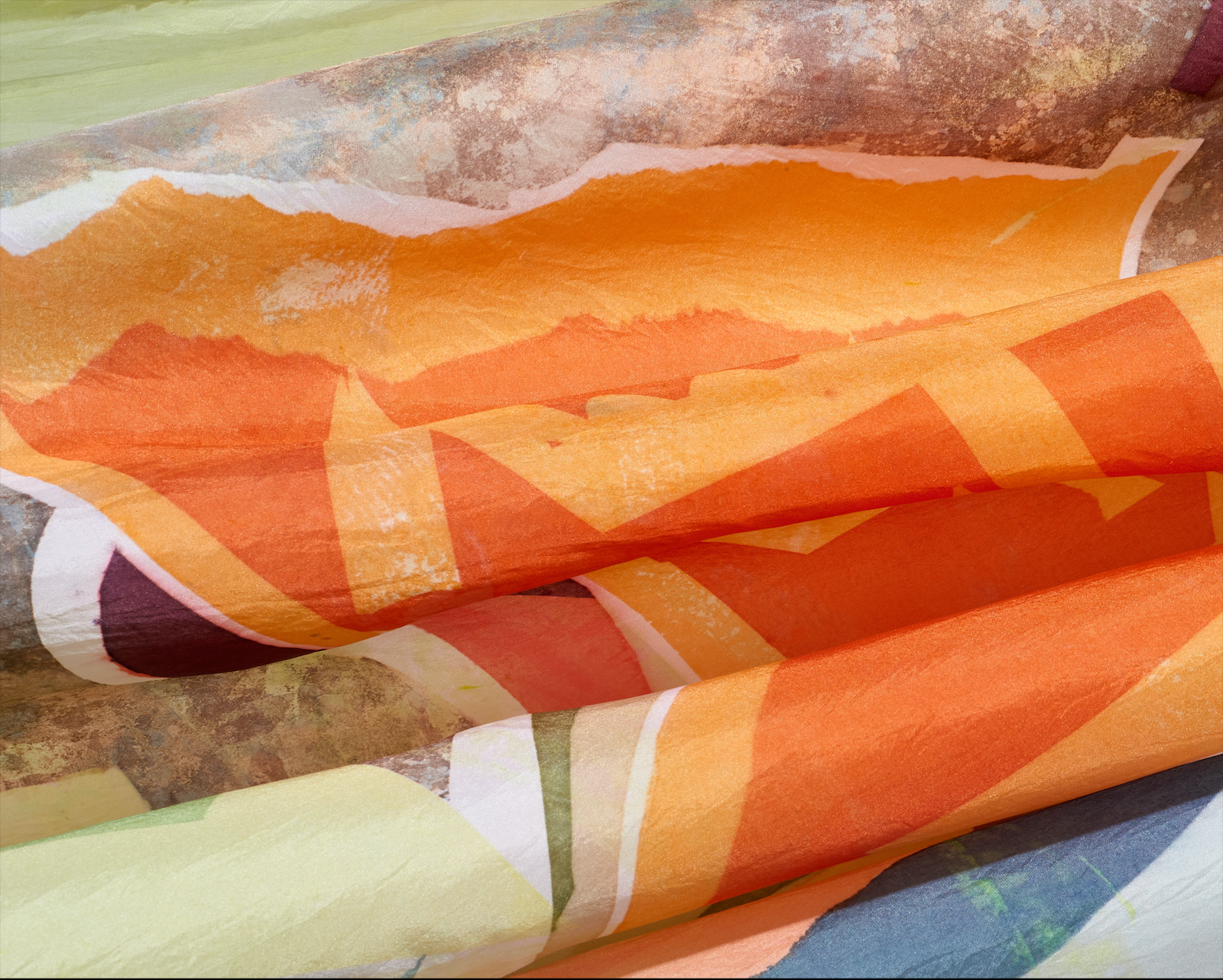
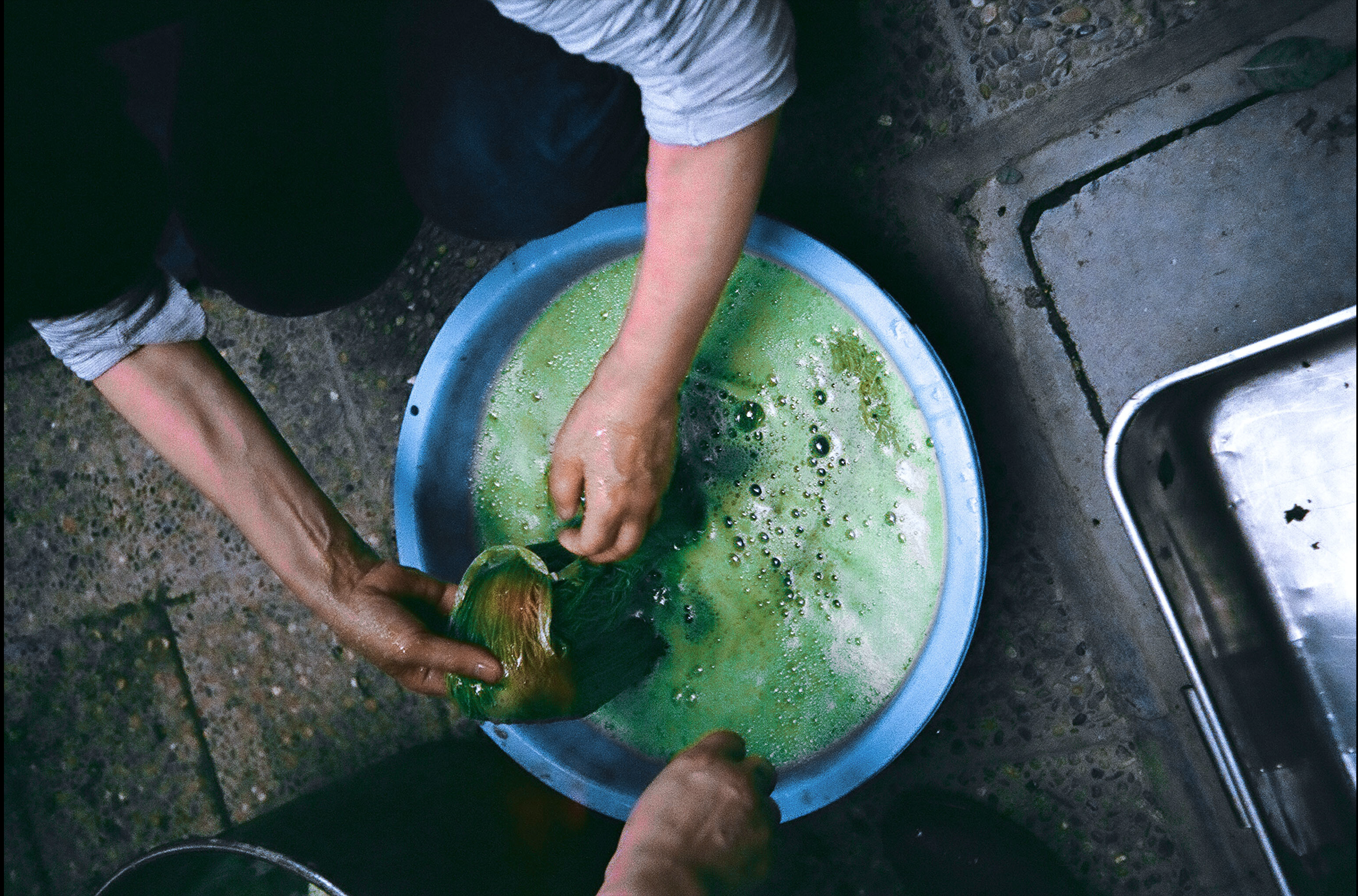
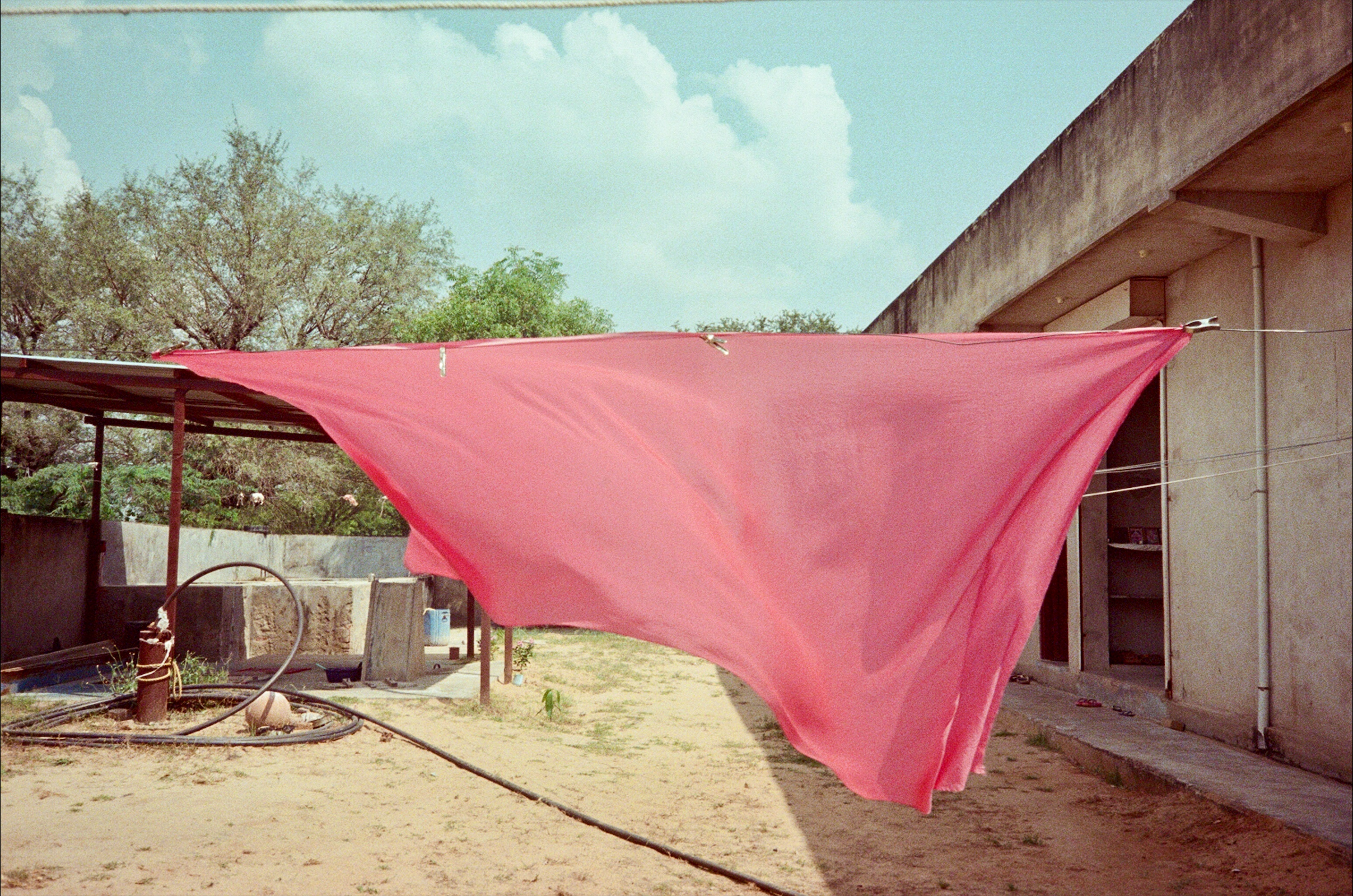
Textile Printmaking
Art works in natural pigments exploring perception, reversal, and clarity.
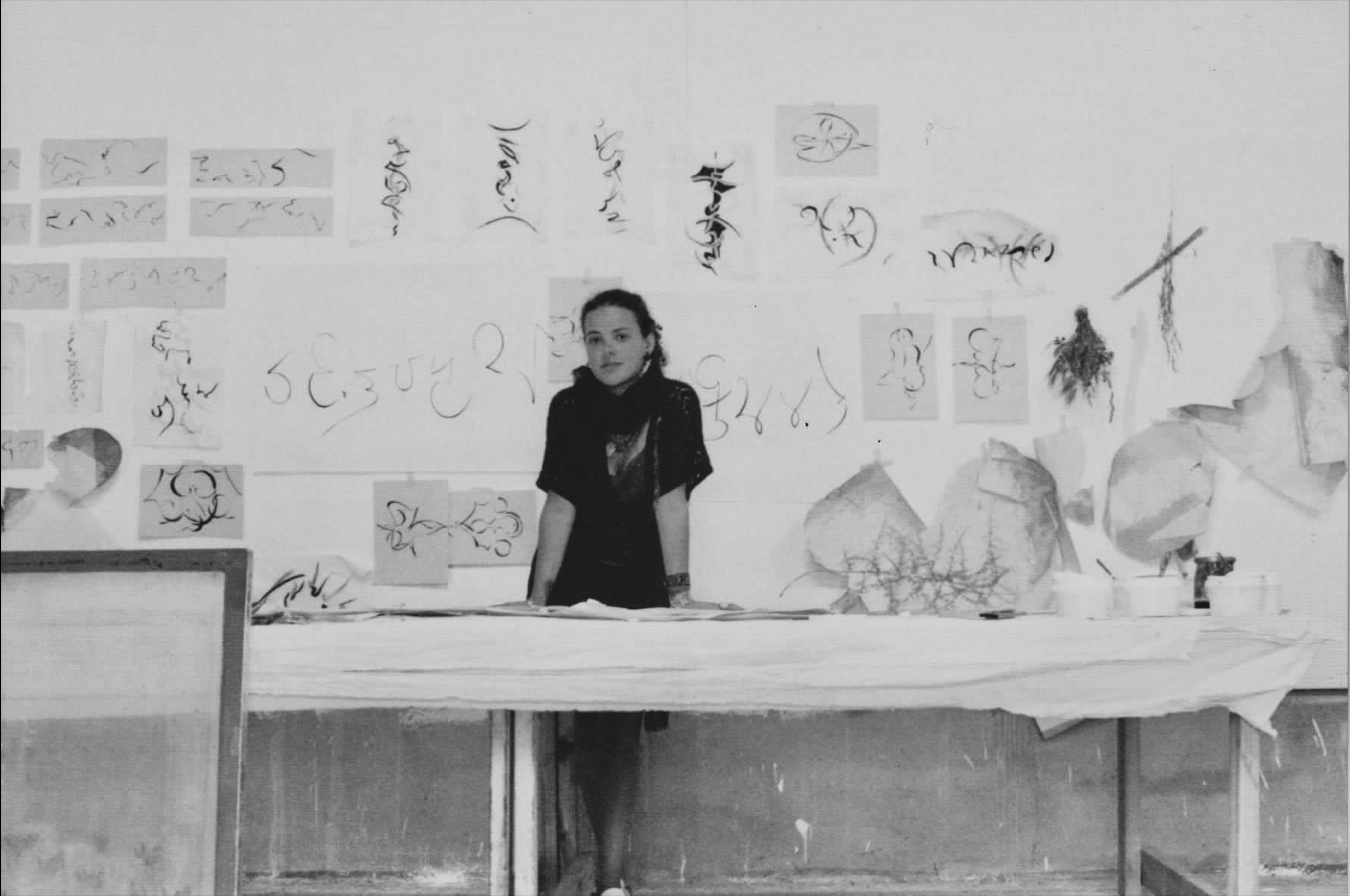
“My work explores the limits of language through processes of reversal. As a child, I wrote backwards—writing that was only readable in the reflection of a mirror—which shaped how I perceive and translate meaning.
I use printmaking on textiles as a natural extension of this logic: as its process is structured in reversal. Through it, I slow perception and create space for deliberate uncertainty, treating disorientation not as a flaw, but as a threshold for new understanding.”
Philosophy|yhposolihP
-
Holding contradiction until clarity emerges.
-
Work for those open to slowing down and attending to perception, creating space where tension resolves into coherence.
-
Deliberate Slowness: Prioritising intentional pace and sustained attention over instant results.
Material Intelligence: Treating fibre and pigment as active partners in a living conversation.
Thresholds of Uncertainty: Using the unknown as a vital tool for new ways of seeing.
Navigating Frictions: Activating the space between opposites to find a coherence.
Honest Unfoldment: Prioritising natural rhythm and resistance over forced perfection.
Presence Over Resolution: Finding coherence in the ‘now’ than seeking a final, static solution.
The Aligned Response: Resonance between internal intuition with the physical material presence
Dissolving Boundaries: Inviting the observer to soften between a spectator and an active participant.
The Unfolding Unknown: Staying present within the natural creative process.