
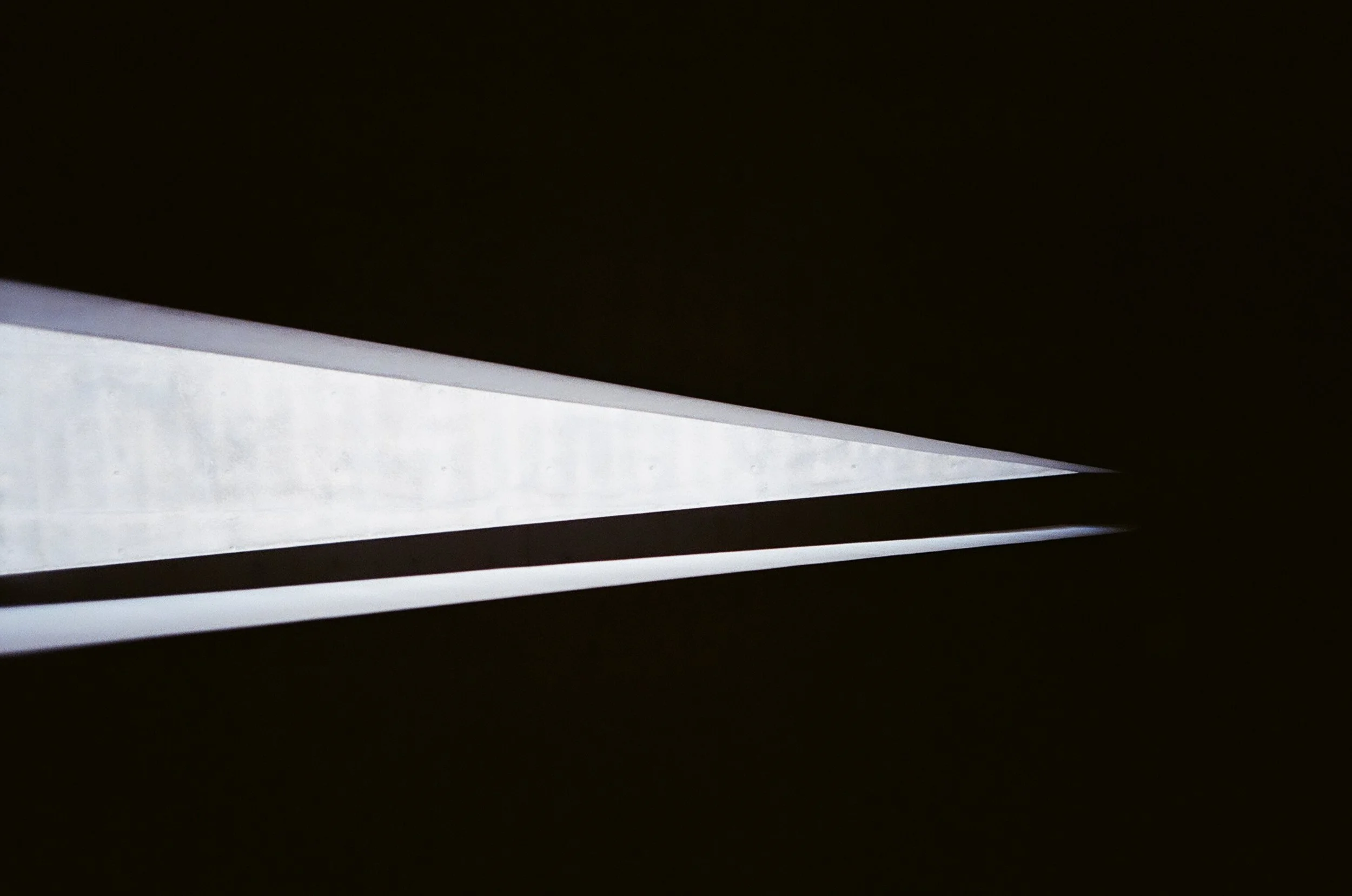
Naoshima Architectural Light
A refined example of how art, architecture, and environment can exist in alignment
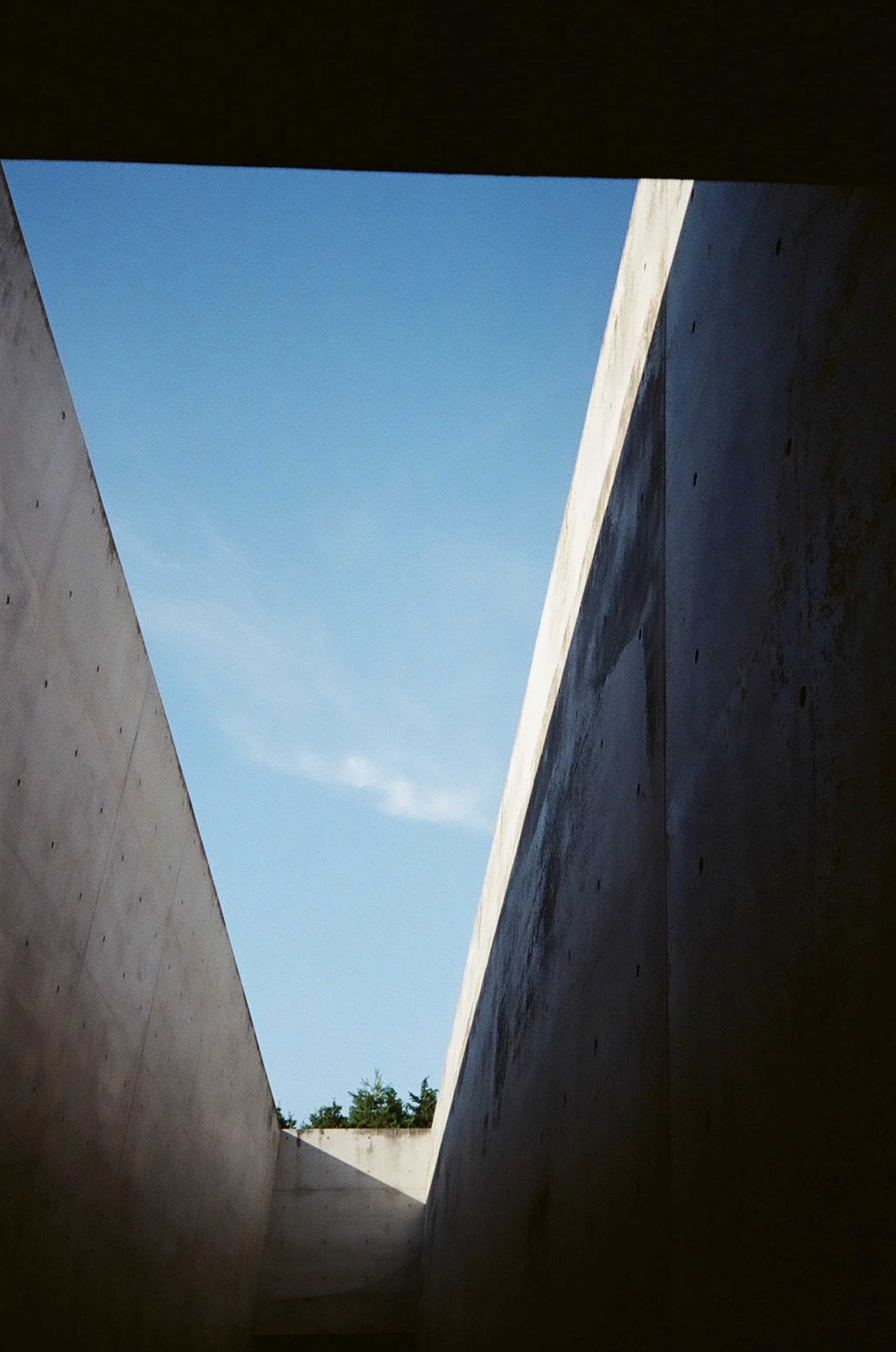
Nothing feels excessive or imposed. The structures are embedded within the landscape, allowing the island itself to dictate pace, atmosphere, and attention. Moving through it, I became acutely aware of a shift in perception—slower, more deliberate, more attuned.
Often referred to as “Art Island,” the experience is defined less by what is presented and more by how it is revealed. Pathways and framed views guide the eye without insistence. There is a precision to the sequencing of light, space, and material.
The architecture of Tadao Ando is central to this sensibility. His use of concrete and natural light carries a distinct restraint, where surfaces register the most subtle shifts in illumination. At Chichu Art Museum, light is carefully modulated, shaping a measured encounter with each work. At Benesse House, the relationship between architecture, artwork, and lived space extends seamlessly into the landscape.
What resonates is the discipline of restraint. Nothing is immediate. Perception adjusts over time, and meaning is not imposed but allowed to surface gradually. I found myself considering how this condition—of slowed looking and sustained attention—alters the depth of experience.
Naoshima establishes a framework in which perception can unfold with clarity and precision. What remains is a heightened awareness of how space, light, and time can be held in a continuous dialogue.
Japan 2019