
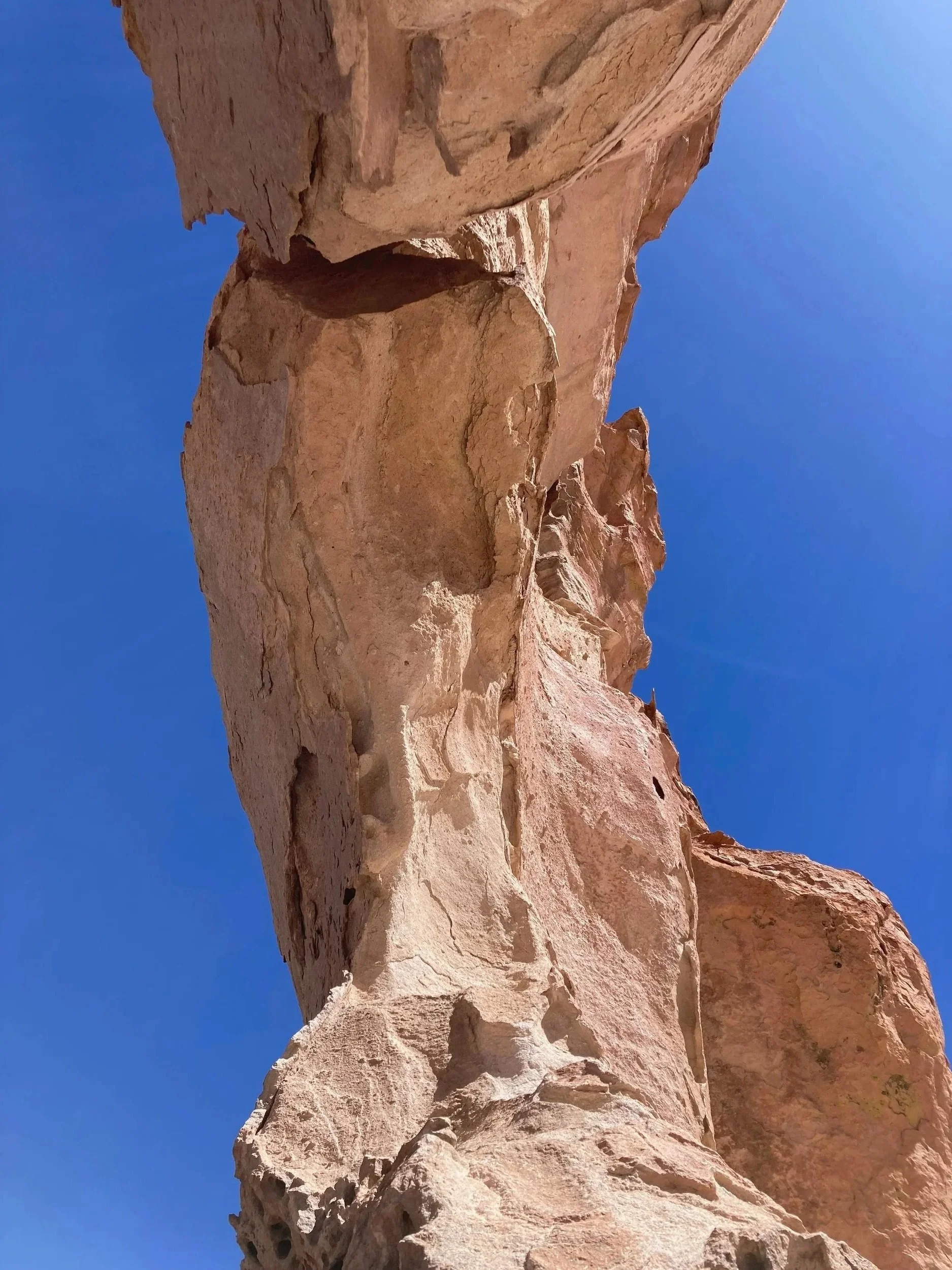
Natural Formation
The slow intelligence embedded in natural systems
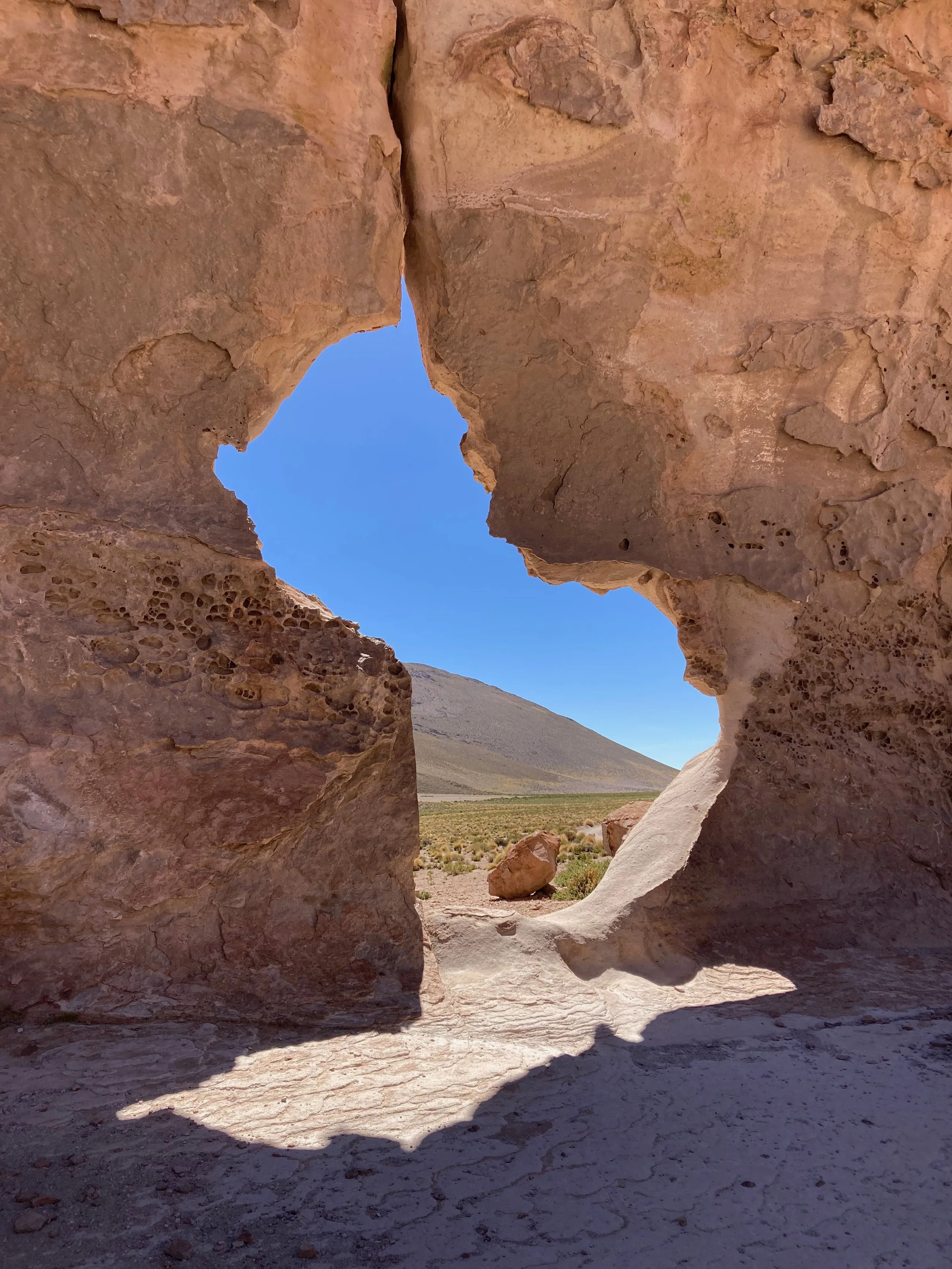
The geological, atmospheric, and biological processes that build structure over time rather than through resolution. To observe natural formation is to encounter time as material—unhurried, layered, and continuously becoming. The landscape does not present itself as fixed; it reveals itself through duration.
Rock formations make this visible. Igneous rock emerges from heat and pressure, where molten matter cools into solidity. Sedimentary rock is formed through accumulation, where particles settle, one over another, until compression transforms fragility into structure. Metamorphic rock is shaped under sustained pressure, reorganising what already exists without erasure. Across these conditions—intensity, accumulation, transformation—form is never immediate.
In this sense, nature offers a framework for understanding how presence is constructed. What we perceive as stability is in fact the result of prolonged, often imperceptible change. Strata hold memory. Surfaces record contact. Even erosion is a form of authorship, refining rather than diminishing form.
To observe these processes is also to reflect inward. Human experience follows similar principles: we are shaped through repetition, through the layering of memory, ideas and information that reorganise rather than replace. Much of this formation remains unseen while it occurs, becoming legible only in retrospect.
Light completes this reading. It does not alter form but reveals it—bringing forward shifts in density, fracture, and continuity that otherwise remain latent. Through light, matter becomes readable as time.
Natural formations proposes a refined way of seeing: that becoming is continuous, not abrupt; that what endures is slowly and precisely assembled through time and presence.
Bolivia, 2023