
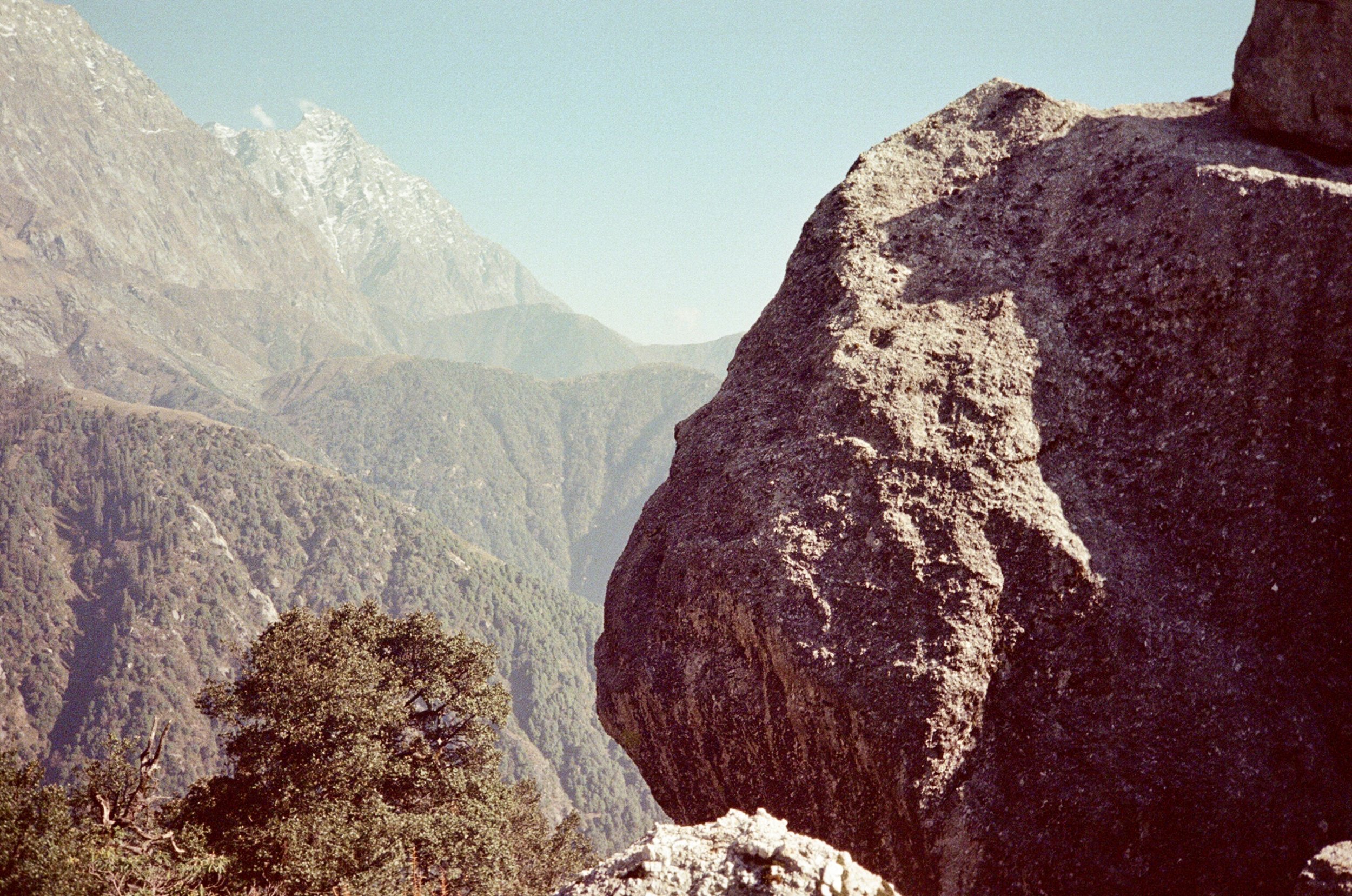
Nature As The Architect
Shaping through light, structure, and time
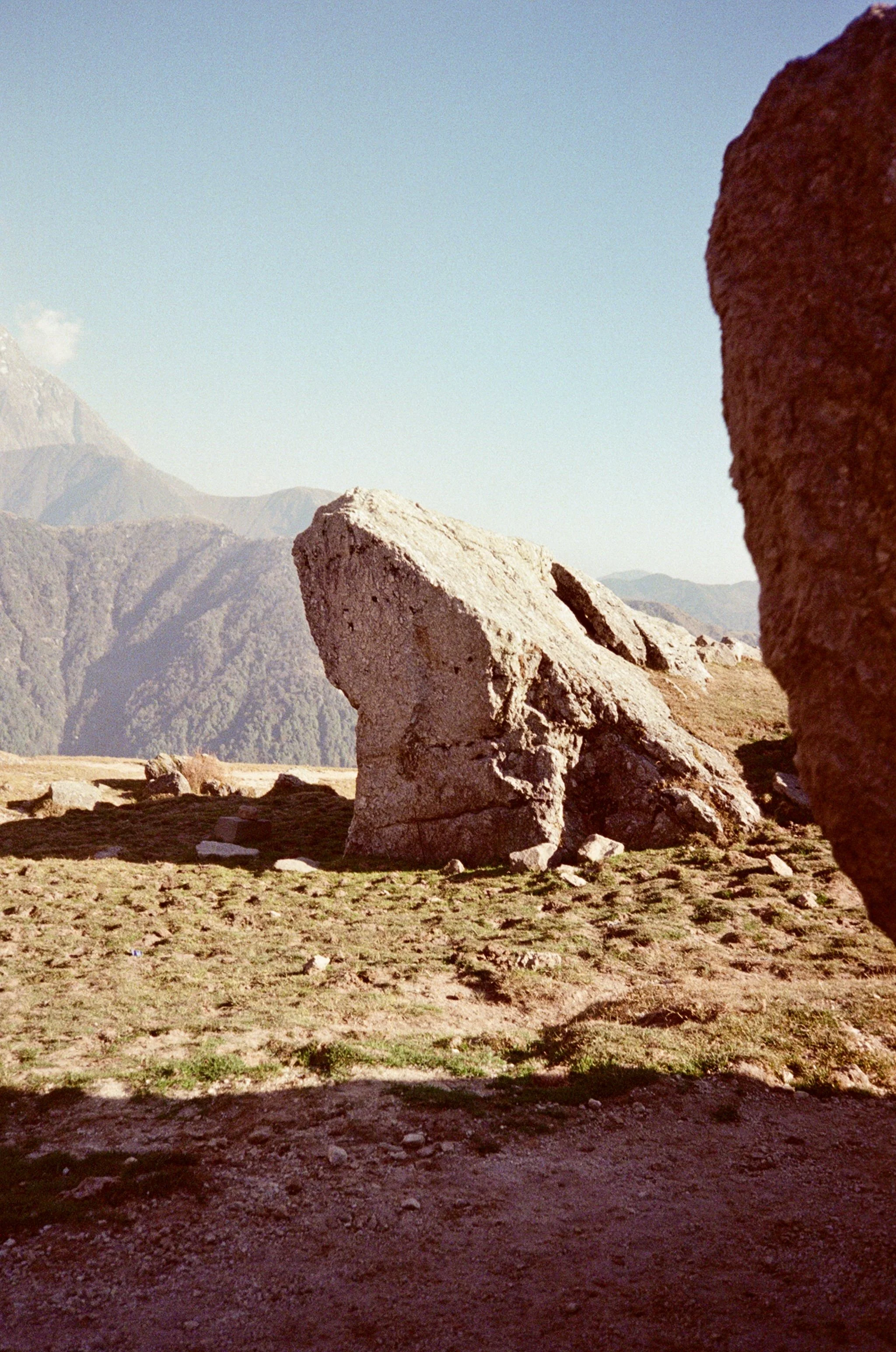
I find myself returning to the precision within natural systems—where growth is shaped by constraint, light defines form, and balance is maintained through continual adjustment rather than resolution. It is not something I arrive at directly, but something that reveals itself over time, through sustained attention.
My process begins with observation. Not as a passive act, but as a discipline that steadily refines perception. Spending time with how light moves across surfaces, and how materials respond to subtle shifts in atmosphere, begins to alter the way form is understood. Edges soften, depth becomes less stable, and what once felt fixed begins to register as contingent.
The act of looking becomes slower, more exacting, more attuned.
When I consider architecture within nature, I don’t experience it as something imposed. It feels conditional—formed through exposure to light, weather, and time, rather than predetermined intention. Light determines what is revealed and what recedes; surfaces absorb or reflect according to their composition. Over time, they are quietly reconfigured—eroded, reinforced, or softened. What appears stable carries an underlying responsiveness.
This sensibility extends into my approach to making. I’m less interested in defining form than in establishing conditions through which it can emerge. Working with pigment and silk, I notice how the material resists certainty—how colour disperses, how traces remain, how each layer subtly recalibrates what came before.
Control becomes measured rather than asserted. The work develops through accumulation, through precise adjustments, through a sustained engagement with material behaviour. Light remains active throughout, continually shifting how the surface is read.
What holds my attention is this balance—between structure and change, intention and release. A continuous negotiation where form is never entirely fixed, but held in a state of refined instability.
Himalayas India, 2025